
Are You Allowed to Smoke Hookah While Pregnant?
Full Article: Are You Allowed to Smoke Hookah While Pregnant?
Table of Contents
- Introduction
- What Is Hookah and How Does It Work?
- Common Misconceptions About Hookah Safety
- Health Risks of Smoking Hookah While Pregnant
- Effects on the Developing Baby from Hookah Smoke
- Comparing Hookah to Cigarettes During Pregnancy
- Expert Recommendations and Medical Advice
- Steps to Quit Hookah Safely During Pregnancy
- Conclusion
Introduction
Many people enjoy hookah, also known as shisha hookah or waterpipe tobacco, for its flavored smoke and social appeal at hookah lounges or at home. However, when pregnancy enters the picture, questions arise about safety. A frequent query is: are you allowed to smoke hookah while pregnant? The straightforward answer from medical experts is no—hookah smoking during pregnancy is not safe and poses serious risks to both mother and baby.
This article explores the facts, drawing from reliable health organizations. It aims to provide clear guidance so you can make informed choices for a healthy pregnancy. Quitting any form of tobacco, including hookah shisha, offers immediate benefits.
What Is Hookah and How Does It Work?
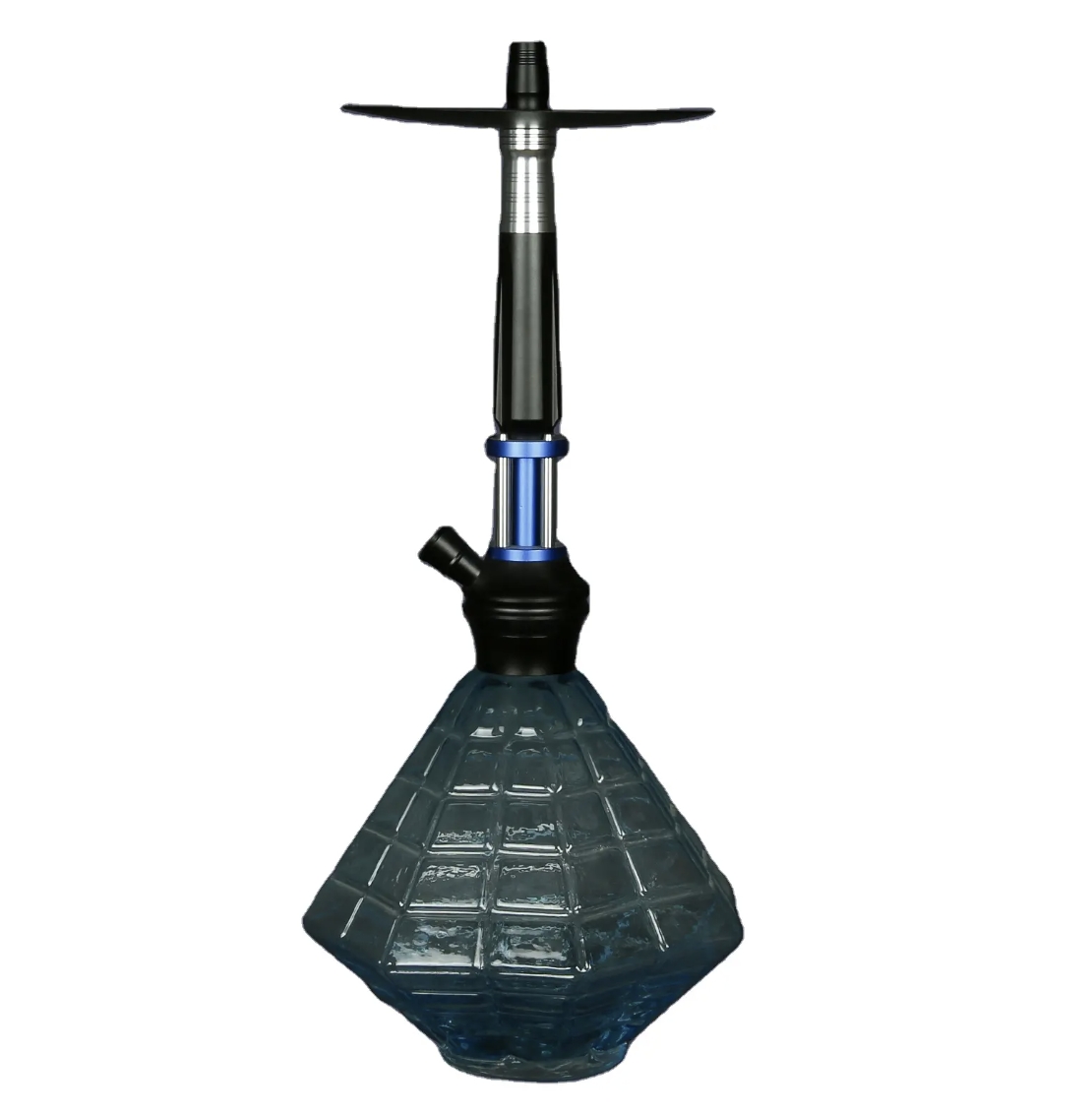
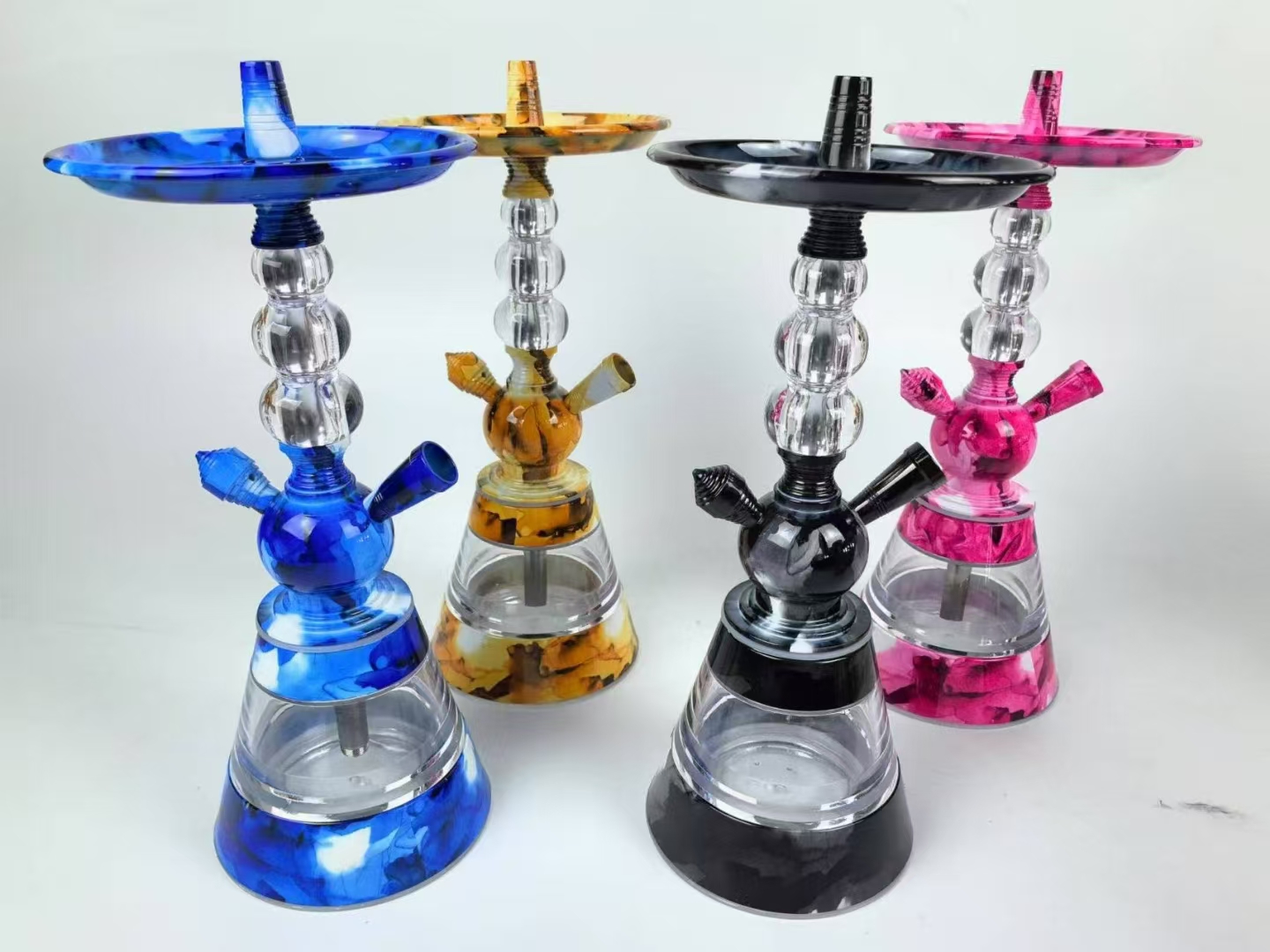
Hookah involves inhaling flavored tobacco smoke through a water-filled pipe. The tobacco, often called hookah tobacco or shisha, is heated by charcoal, producing smoke that passes through water before inhalation. Sessions can last 30–60 minutes, exposing users to large smoke volumes.
Many assume the water filters out harmful substances, but it does not eliminate toxins like nicotine, tar, carbon monoxide, and heavy metals. Understanding hookah setup and smoke composition reveals why it remains risky, especially during pregnancy.
Common Misconceptions About Hookah Safety
A widespread belief is that hookah is safer than cigarettes because the smoke is "filtered" through water and flavored. Some perceive it as less addictive or harmful. Others think occasional use at a hookah lounge near me carries minimal risk.
These ideas are incorrect. Health authorities confirm hookah smoke contains many of the same toxins as cigarette smoke, often in higher amounts per session due to longer inhalation and charcoal combustion. This misconception can lead to continued use during pregnancy, overlooking real dangers.
Health Risks of Smoking Hookah While Pregnant
Smoking hookah while pregnant exposes both mother and fetus to harmful chemicals. Nicotine constricts blood vessels, reducing oxygen and nutrient flow. Carbon monoxide binds to hemoglobin, further limiting oxygen delivery.
Studies link hookah use to increased heart rate, elevated blood pressure, and potential carbon monoxide poisoning. For pregnant individuals, these effects heighten risks of complications like placental issues. Continued exposure also raises chances of respiratory problems for the mother.
Effects on the Developing Baby from Hookah Smoke
Hookah during pregnancy can severely impact fetal development. Babies born to daily hookah users often have lower birth weights, increasing vulnerability to health issues. Research shows associations with preterm birth and respiratory diseases in newborns.
Toxins cross the placenta, potentially damaging the baby's brain and lungs permanently. Long-term risks include developmental delays and higher chances of conditions like asthma. Even occasional hookah smoke exposure contributes to these outcomes—no safe level exists.
Comparing Hookah to Cigarettes During Pregnancy
Hookah vs cigarettes reveals similarities in risks. A single hookah session can deliver up to nine times more carbon monoxide and 1.7 times more nicotine than one cigarette. Both reduce fetal oxygen supply, leading to low birth weight and preterm delivery.
Hookah's social nature and flavored appeal may encourage longer sessions, amplifying exposure. Neither is safer during pregnancy—both warrant complete avoidance for optimal fetal health.
For more on tobacco risks, refer to the CDC's page on hookahs and ACOG's guidance on tobacco cessation during pregnancy.
Expert Recommendations and Medical Advice
Leading organizations unanimously advise against hookah during pregnancy. The Centers for Disease Control and Prevention (CDC) states hookah smoking impacts baby health, linking it to lower birth weights and respiratory risks. The American College of Obstetricians and Gynecologists (ACOG) includes hookah in tobacco products to avoid, recommending complete cessation.
The World Health Organization (WHO) highlights tobacco exposure's links to stillbirths, preterm births, and birth defects. Medical consensus: quit all forms, including shisha hookah, for the safest pregnancy.
Additional resources include March of Dimes on smoking during pregnancy and Mayo Clinic on hookah risks.
Steps to Quit Hookah Safely During Pregnancy
Quitting hookah improves outcomes immediately. Start by consulting your healthcare provider for personalized support. Behavioral strategies prove effective:
- Identify triggers (e.g., social settings or stress) and replace them with alternatives like walking or deep breathing.
- Seek counseling or pregnancy-specific cessation programs.
- Remove hookah supplies from home to reduce temptation.
- Join support groups for encouragement.
- Track progress and celebrate milestones.
If needed, discuss nicotine replacement options with your doctor, weighing benefits against risks. Avoid secondhand hookah smoke entirely.
These actionable steps empower you to protect your baby's health.
Conclusion
Smoking hookah while pregnant is not allowed or safe. The evidence clearly shows risks including low birth weight, preterm birth, and long-term developmental issues. By quitting, you give your baby the best start possible.
Prioritize your health and consult professionals for support. A tobacco-free pregnancy benefits everyone involved. Stay committed—you have the strength to succeed.